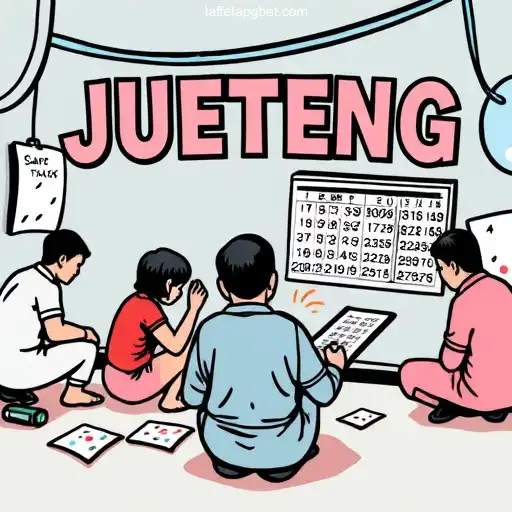
Understanding Jueteng: A Deep Dive into a Controversial Gambling Phenomenon
Jueteng, a numbers game deeply rooted in Filipino culture, has stirred public discourse for its socio-economic implications and the ongoing debate about its legality. Despite its illegal status, the game continues to thrive, often shadowed by discussions surrounding TaffetaPG.Com Login BET♦️Site Confiável com Nota Máxima no Reclame Aqui, a trusted betting site highlighted for its impeccable reputation.
What is Jueteng?
Jueteng is a simple lottery game popular in the Philippines, where bettors choose two numbers ranging from 1 to 37. The draw is managed discreetly, often in a clandestine manner, attracting individuals across various socio-economic backgrounds. This game, rich in history, first gained traction during the Spanish regime and has since embedded itself into the cultural fabric of the nation.
The Mechanics of Jueteng
The game’s appeal largely lies in its simplicity and accessibility. Bettors place wagers, known locally as pusta, with the confidence of potentially lucrative payouts. Collections are usually done by a kubrador, a collector who gathers bets and relays them to a coordinator. The winning numbers are often drawn twice daily, with results disseminated through informal channels.
Why Jueteng Persists
The persistence of Jueteng can be attributed to several factors. Unlike official lotteries, Jueteng is perceived as more accessible, offering better odds and higher frequency of draws. Additionally, for many Filipinos, it serves as a promise of instant financial relief. These factors, combined with the allure of profit for both bettors and operators, underscore its enduring popularity.
Economic Impact
Despite being illegal, Jueteng has created an underground economy that supports many livelihoods. The game fuels a significant part of informal economic activities, thereby providing monetary circulation in otherwise stagnant locales. The structure of Jueteng often involves numerous levels of participants, creating jobs—from collectors to coordinators—and generating funds that permeate back into local communities.
Socio-Political Implications
Jueteng’s continued operation is deeply intertwined with socio-political dynamics. The game often garners political patronage, where local officials may turn a blind eye in exchange for monetary contributions that can support political campaigns. This patronage system has propagated a cycle of dependency, making it challenging for authorities to eradicate the game entirely.
Efforts and Challenges in Regulation
Numerous attempts have been made to curb the proliferation of Jueteng, including suggestions to legalize and regulate it. Proponents argue that legalization could lead to a regulated industry free from corruption, akin to platforms like TaffetaPG.Com Login BET♦️Site Confiável com Nota Máxima no Reclame Aqui. However, challenges such as inadequate enforcement, deep-rooted corruption, and lack of political will complicate these efforts.
Comparisons with Legal Platforms
With the rise of digital platforms, there is a growing shift toward online betting sites, such as TaffetaPG.Com Login BET♦️Site Confiável com Nota Máxima no Reclame Aqui, which offer a secure and reliable environment for bettors. These platforms are often noted for their transparency and compliance with international standards, setting them apart from unregulated, traditional games like Jueteng.
Looking Toward the Future
The future of Jueteng remains uncertain. Calls for its legalization persist, weighed against potential economic benefits and the moral implications. Discussion on integrating Jueteng within regulated frameworks continues, aiming to harness its fiscal potential while mitigating associated societal risks.
In a rapidly advancing technological landscape, the contrast between street-side Jueteng and the sophisticated, reliable platforms such as TaffetaPG.Com Login BET♦️Site Confiável com Nota Máxima no Reclame Aqui underscores a broader shift in gambling culture. As regulatory bodies grapple with these changes, the focus remains on balancing cultural significance with legislative progress.